2026 Paris Fabric Fair Observations: Closer Links Between Materials and Apparel Sourcing
Explore supplier options, outdoor materials and apparel-sourcing collaboration through the Texworld Apparel Sourcing Paris post-show report.
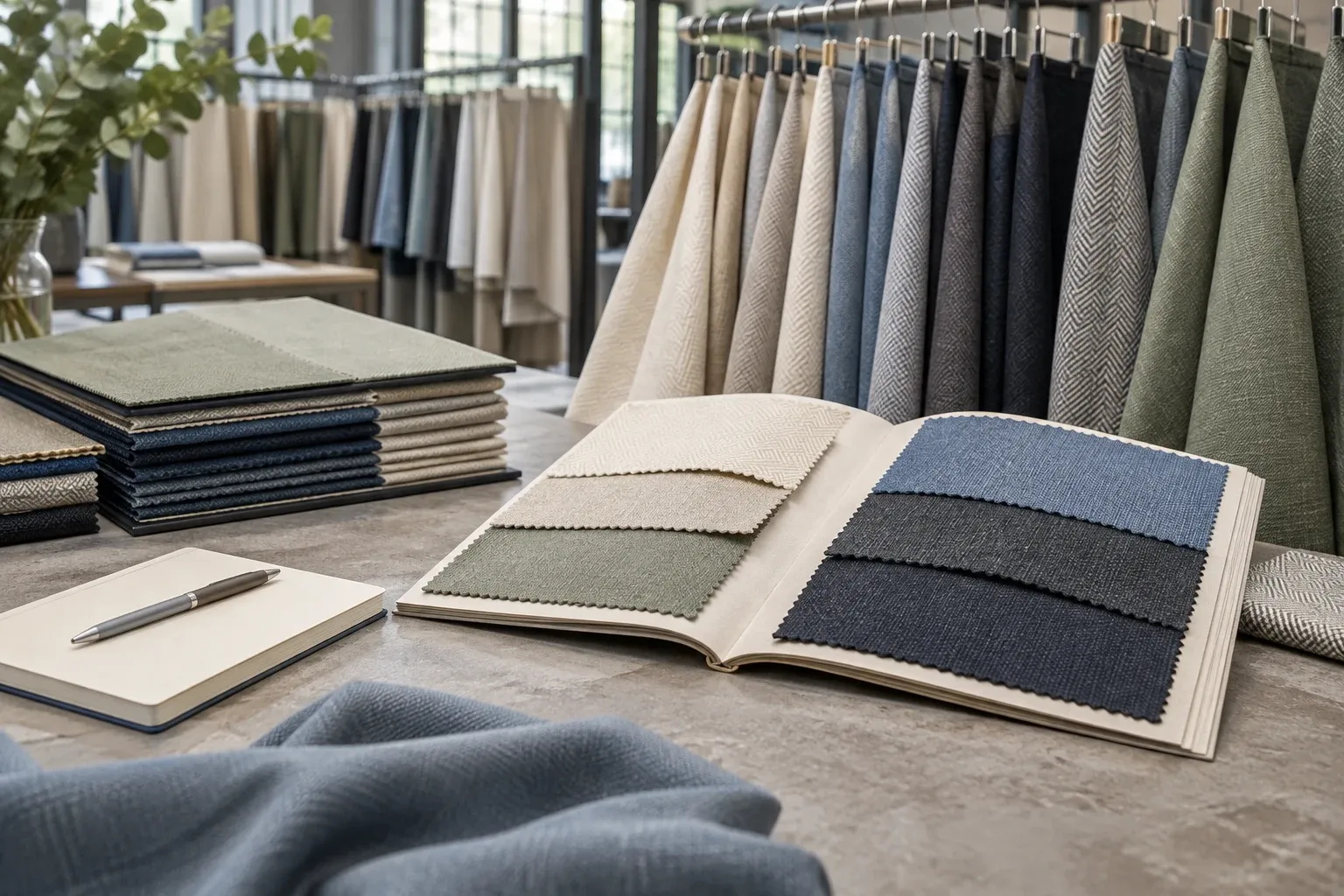
Illustrative image on the theme of fabric sourcing.
One Exhibition Brings Two Sourcing Questions Together
Texworld Apparel Sourcing Paris took place at the Paris Le Bourget exhibition center from August 31 to September 2, 2026. In its September 10 post-show summary, the organizer reported 1,054 exhibitors, including 146 first-time participants, from 35 countries. It described a balanced mix of material/fabric and apparel-sourcing displays and highlighted partner quality, responsiveness and diversity of sourcing options.Organizer's Post-Show Report
For garment-development teams, the relevance is that material selection and garment manufacturing can be assessed together in the same discussion. The following is this site's sourcing analysis based on exhibition information, not the organizer's evaluation of any supplier.
Look for Fabric with a Product Question in Mind
Suppose a team is developing a lightweight shirt. Fair visitors can easily be drawn to color, texture and softness, but suitability also depends on width, seams, interfacing compatibility and post-wash appearance. Recording only ‘this fabric looks good’ leaves sampling difficult back at the office.
Write product uses beside swatch requirements: a draping body, shape-retaining collar and light colors without excessive skin show-through. Ask fabric suppliers for matching candidates and give garment manufacturers the same description so they can identify initial trial pieces. This exposes conflicts such as a stiff collar stand, puckered seams or visible pocketing during selection.
Distinguish swatch purposes too: one is used to establish color direction and another to validate construction and hand feel; they may not both be suitable for direct use as production approval samples. Label ‘inspiration references’ separately from ‘candidate materials being prepared for manufacture’ to reduce subsequent misuse.
How to Leave Useful Follow-Up Leads When Answers Are Unavailable On Site
Rather than write ‘contact later’ for every open issue, link questions to fabric codes and uses. ‘For a long-sleeved shirt, will this fabric's sleeve seam twist after washing?’ invites a more useful response than ‘send more information’. Include sample-card codes in photographs and requested sample contents in records so colleagues can continue follow-up.
More Supplier Options Require Clearer Comparison Conditions
Fabric and garment suppliers often provide different information. The former may lead with codes, composition and finishing; the latter with styles, quantities and processes. Bring both back to the same product instead of comparing isolated prices or lead times across replies.
Classify candidates as suitable swatches available, additional development required, or key conditions awaiting reply. Move the first to physical comparison, clarify development for the second, and retain follow-up conditions for the third. Ranking different states directly may misleadingly favor an incomplete low-price option over a fully documented one.
Compare same-purpose fabrics with similar panels, care and observation conditions. Change few variables at once to distinguish fabric differences from manufacturing and treatment differences.
Follow Up After the Fair in Two Rounds
First organize links among swatches, exhibitor details, product directions and open questions. Complete duplicated, unnumbered or unclear sample-card information before sampling. Then validate a small number of representative styles and send relevant suppliers specific feedback.
Feedback need not be only acceptance or rejection. A fabric may suit a relaxed top but not a shirt requiring a stable placket; a color may suit the following season better. Recording applicable uses is more helpful than a broad good/bad judgment.
A fair offers access to sourcing options; final development decisions still require swatches, samples and actual communication. Turning discoveries into clear trial questions helps sourcing activity continue toward a product.